
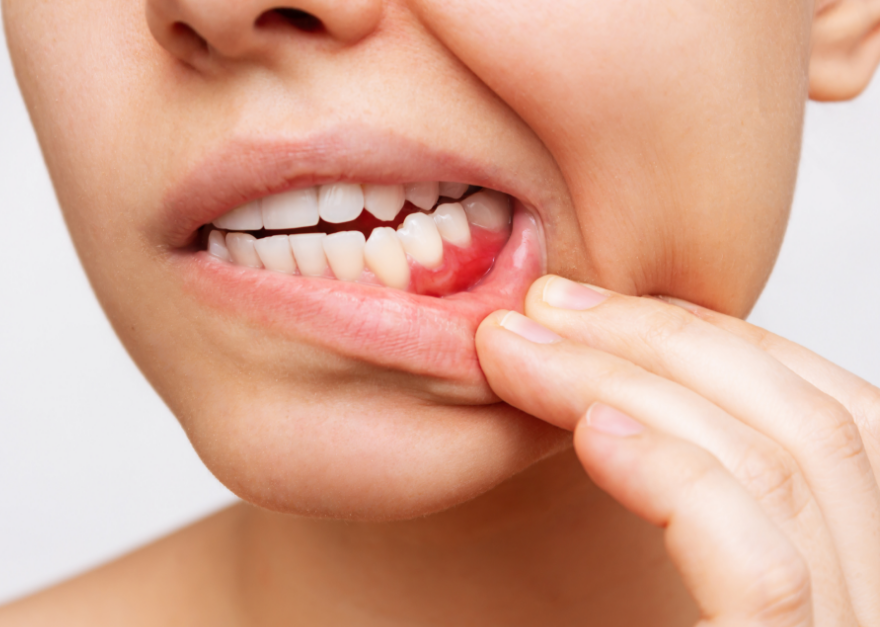
If you’ve been struggling with advanced gum disease for a long time, you may feel frustrated, uncomfortable, and ready for a permanent solution. When teeth become loose or painful, it’s natural to wonder: If I just remove the teeth, will the gum disease finally go away?
It’s an understandable question. But the answer isn’t as simple as yes or no.
Let’s take a closer look at what gum disease really is — and what happens after teeth are removed.
Understanding What Gum Disease Really Affects
Gum disease, also known as periodontal disease, is not just a problem with your teeth. It’s an infection of the gums, supporting bone, and surrounding tissues.
In its early stages, gum disease may cause red, swollen, or bleeding gums. In advanced stages, it can lead to deep pockets around the teeth, bone loss, loose teeth, and even tooth loss.
The key thing to understand is this: gum disease is a bacterial infection that affects the tissues supporting your teeth — not just the teeth themselves.
So while severely affected teeth may need to be removed, the underlying infection doesn’t automatically disappear just because the teeth are gone.
Does Extracting Teeth Cure Gum Disease?
In cases of advanced periodontal disease, removing teeth that are beyond saving may reduce active infection in those specific areas. However, extraction alone does not “cure” gum disease.
Here’s why:
The bacteria responsible for gum disease live in the gum tissue and can continue to cause inflammation even after teeth are removed. If infected tissue remains untreated, the disease process can still affect the gums and underlying bone.
In addition, untreated gum disease can impact candidacy for future treatments like dental implants or dentures. Healthy gum tissue and stable bone are essential for long-term success with tooth replacement options.
Simply put, removing teeth may be part of treatment — but it is rarely the entire solution.
What Treatment Is Still Needed?
Even if extractions are necessary, periodontal therapy is typically recommended to address the remaining infection and protect your oral health.
Depending on the severity of your condition, treatment may include:
- Deep cleanings (scaling and root planing) to remove bacteria below the gumline
- Antibiotic therapy to reduce infection
- Surgical procedures to clean deep pockets
- Ongoing periodontal maintenance to prevent recurrence
The goal is to eliminate harmful bacteria, reduce inflammation, and preserve as much healthy tissue and bone as possible.
Without proper treatment, gum disease can continue to cause bone deterioration — which may complicate future restorative plans.
Planning for Tooth Replacement
If you’re considering extraction due to advanced gum disease, it’s also important to think ahead.
Whether you are exploring dental implants, bridges, or dentures, stabilizing the health of your gums is a critical first step. Implants in particular require sufficient healthy bone and controlled periodontal infection to succeed.
A comprehensive evaluation allows your periodontist to create a plan that addresses both the current infection and your long-term goals for restoring your smile.
The Bigger Picture
Choosing to remove teeth because of gum disease can feel overwhelming. But it’s important to know that extractions are not a shortcut to eliminating the condition.
Treating gum disease requires a focused approach that targets the infection itself — not just the teeth affected by it. With the right care plan, it is possible to stabilize your oral health and move forward with confidence.
Taking the next step starts with understanding your options and creating a strategy designed just for you.
About the Practice
South Texas Periodontics & Implants specializes in diagnosing and treating all stages of periodontal disease. The practice provides comprehensive periodontal therapy, including deep cleanings, surgical treatments, and long-term maintenance care tailored to each patient’s needs. Our experienced team focuses on preserving healthy gum tissue, preventing bone loss, and helping patients regain stability after advanced gum disease. Through personalized treatment planning and modern techniques, we guide patients toward lasting oral health and successful tooth replacement solutions.
Call us at (361) 992-7641 or request an appointment online.