
Sedation Dentist Corpus Christi
Afraid of Dental Work? Let Us Help
If you’re anxious about dental work of any kind, you may be reluctant to seek periodontal treatment even if it’s necessary for protecting your oral health. Fortunately, our periodontal team can help put your fears to rest with sedation dentistry at our Corpus Christi periodontal office. We can keep you in a calm, highly relaxed state while Dr. Garcia gives your smile the care it deserves. Give us a call today to learn more about our dental sedation options and how they can improve your experience at South Texas Periodontics & Implants.
Why Choose South Texas Periodontics & Implants for Sedation Dentistry?
- Deep IV Sedation Available
- Friendly Periodontal Team
- Comfortable, Welcoming Specialty Dental Office
IV Sedation
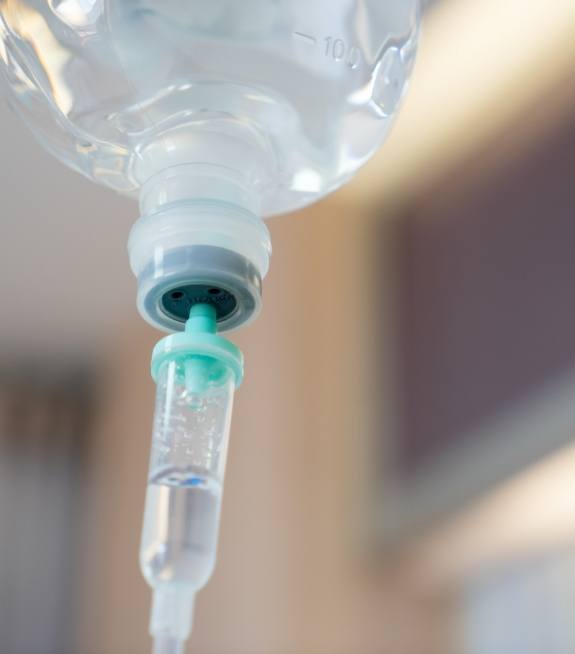
Many people are anxious about receiving necessary or cosmetic dental care due to fear or bad experiences in the past. Thankfully, IV sedation can allow a nervous patient to remain calm and still throughout their appointment by putting them in a sleep-like state, and the treatment is incredibly safe for most people. Here’s a quick guide to how IV sedation works and who can qualify for it, but please contact the team at South Texas Periodontics & Implants if you would like to learn more.
What Is IV Sedation?

During a procedure that involves IV sedation, we deliver the sedative directly into a vein in the patient’s arm. The effects kick in quickly, so you should soon start to experience complete relaxation of the body and an overall feeling of ease. You won’t actually be unconscious, but you’ll have little to no awareness of your surroundings. In fact, it is quite likely you won’t even be able to clearly recall what happened during your procedure, which can be beneficial for people who don’t like remembering dental appointments in the first place. While you are sedated, our team will carefully monitor your vital signs to ensure you remain safe and healthy. The effects of IV sedation may take an entire day to wear off, so you will need to have a trusted friend or family member give you a ride to and from the office and monitor you for several hours afterward. This treatment usually uses sedatives like Midazolam and Diazepam, and the exact dosage will depend on your needs and medical history.
Who Is a Good Candidate for IV Sedation?

IV sedation is ideal for anyone who suffers from severe dental anxiety or is planning to undergo a lengthy procedure. It can also be an excellent option for those who have especially powerful gag reflexes that make it hard for dentists to work inside their mouths. Before recommending IV sedation, our dentist will carefully evaluate your medical history and list of medications during your consultation to make sure you can receive the treatment without complications like allergic reactions.
The Benefits of IV Sedation

IV sedation can provide a dental patient with a wide range of important benefits. A few of these include:
- Taking effect quickly and reliably.
- Reducing discomfort during intensive dental treatments.
- Helping a patient remain comfortable during an especially long treatment session, such as one that involves multiple procedures in one sitting.
- Allowing those with traumatic memories about dental care to receive necessary procedures without stress.
- Allowing those with sensory sensitivities to sit calmly and comfortably through their dental treatments.
- Our dental team will carefully monitor and control how much sedative you receive during treatment.
IV Sedation FAQs
Is IV sedation safe?
Our dentists will only recommend IV sedation after thoroughly evaluating your oral health, medical history, and list of current medications to ensure that you can receive the treatment safely. While you are sedated, our team will carefully monitor your vitals such as blood pressure, oxygen levels, and heart rate to ensure that they remain at healthy levels.
Is IV sedation safe while pregnant?
The drugs administered during IV sedation may be passed to the fetus through the placenta. Using this treatment during the first trimester can lead to developmental complications, and receiving it during the third trimester may encourage premature labor. While IV sedation may be safest during the second trimester, it might be best to wait until after the pregnancy to receive dental procedures that require this treatment. If a treatment that requires sedation must be performed while a patient is pregnant, it will be best to use the most conservative method available.
Will I remember anything after dental sedation?
While you can expect to remain technically awake during IV sedation, you may have difficulty remembering the details of your procedure. This amnesiac effect can actually be beneficial for some patients with severe dental anxiety or phobias, as it may prevent them from developing unpleasant associations that can make it more difficult for them to receive necessary oral health treatments later.
What does IV sedation feel like?
IV sedation induces a deep state of relaxation that may make it difficult to speak and stay awake. In some cases, patients doze off during their procedure while receiving this treatment. Some patients also report a feeling of “heaviness” or that time seems to pass more quickly. However, you will be aware enough to respond to our dentist’s questions and instructions while you are sedated.
How long does IV sedation last?
While the strongest of IV sedation’s effects will mostly fade within hours after your procedure is over, you’ll probably still feel groggy and uncoordinated for the rest of the day. It will be necessary to arrange for a trusted individual to drive you home after your treatment and keep an eye on you while the sedative wears off.
Will I feel any pain with dental sedation?
IV sedation inhibits your body’s ability to register pain, so the greatest discomfort you should experience during the treatment will probably be a mild sense of pressure. Depending on the procedure you are receiving, our dentist may administer a local anesthetic to ensure that your mouth is numb throughout the process.
DOES DENTAL SEDATION MAKE YOU TELL SECRETS?
Oftentimes, dental sedation is depicted as a truth serum in TV shows and movies. However, it’s very unlikely that you’ll reveal any secrets while in the treatment chair. Plus, if you do share something that you normally wouldn’t, you don’t have to worry – it won’t leave the walls of the treatment room.
IS SEDATION DENTISTRY COVERED BY INSURANCE?
Oftentimes, dental sedation is classified as a “luxury” and, as a result, it is not covered by dental insurance providers. That said, there are sometimes exceptions. For instance, if you need extensive dental care, like multiple tooth extractions, then you may not have to pay for the cost entirely out of pocket.
If you need any help navigating the financial side of your care, don’t hesitate to let us know! We’re happy to welcome dental insurance and will do our part to make utilizing your available benefits easy. We are also happy to accept flexible financing with CareCredit, which allows you to break up the total cost of your treatment plan into more manageable monthly chunks.
IS SEDATION DENTISTRY WORTH IT?
If you find out that you need to pay for the cost of sedation dentistry in Corpus Christi out of pocket, then you might second-guess whether it’s really worth the investment. While that’s ultimately up to you to decide, we can say that the answer is usually a resounding “yes,” especially among patients who struggle with dental-related anxiety, have a fear of needles, or need extensive dental care.
CAN DENTAL SEDATION MAKE YOU SICK?
While feeling nauseous is pretty rare with mild forms of dental sedation, like nitrous oxide, it is more common with IV sedation. To help prevent that from happening, we will likely ask you to fast prior to your appointment. We may also provide you with an anti-nausea drug, especially if you’re already prone to feeling nauseous.
HOW LONG DOES IT TAKE TO RECOVER AFTER SEDATION DENTISTRY?
The recovery time after sedation dentistry varies. The effects of nitrous oxide, for instance, dissipate within a matter of minutes. Conversely, the effects of IV sedation can linger for up to 24 hours. So, if we add it to your treatment plan, you’ll need to take certain precautions, starting with arranging for an adult that you know and trust to drive you to and from our office. You should also take time off work or school so you can focus solely on recovering.