
Did you know that, according to the CDC, an estimated 84% of infants are breastfed initially, but then this rate drops to about 27% by the time they’re six months old?
A lip or tongue tie can prevent your child from latching correctly, which can make it uncomfortable to continue nursing. Today, an estimated 11% of infants suffer from this condition, though the number of diagnoses seems to be on the rise. Continue reading to learn more about the prevalence of this condition and how your dentist can help!
What is a Lip or Tongue Tie?
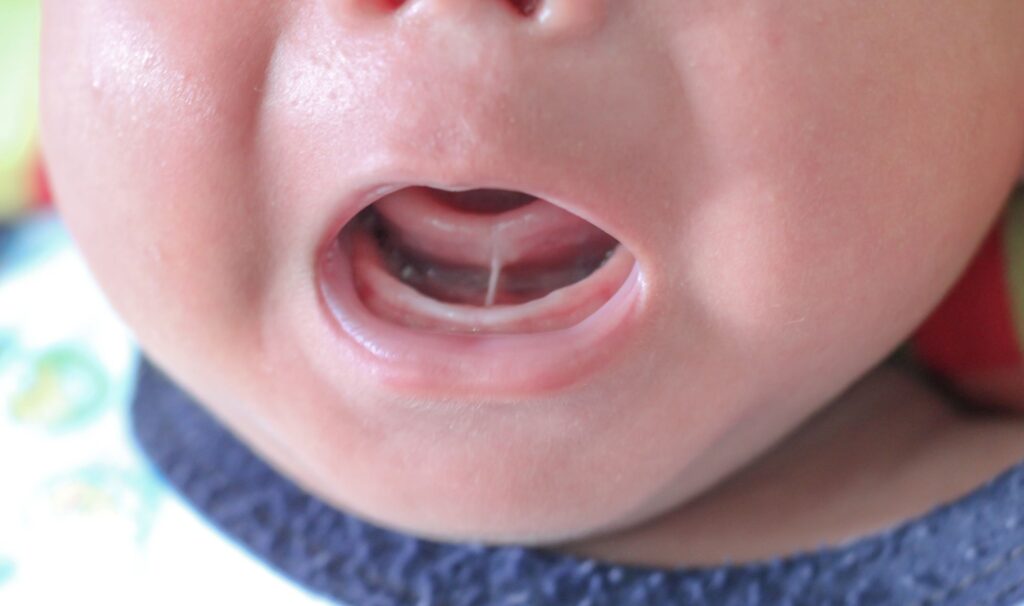
A lip or tongue tie refers to a condition in which the frenulum, or band of tissue that anchors your child’s tongue to the floor of their mouth or their lips to their gums, is too short, thick, or tight. This can restrict their range of motion, which results in difficulties latching properly to eat.
Common indicators that your infant might have a lip or tongue tie can include clicking noises when breastfeeding, pain during nursing, difficulty gaining weight, trouble moving their tongue to their upper arch, or an inability to stick their tongue out all the way. If left untreated, it can contribute to other concerns, such as speech impediments or difficulty eating with utensils.
Have Lip and Tongue Ties in Babies Become More Common?
You might think that your child’s condition is a more modern concern, but a woodblock print from 1679 depicts a physician performing a procedure to sever a tongue tie, so it’s not necessarily a recent problem. However, some experts have noticed that the number of kids developing overly tight frenula appears to have risen over the years.
While it might seem that the prevalence of lip and tongue ties has increased, this could be because more mothers are interested in breastfeeding than in the past. Modern studies have demonstrated that nursing your child can improve their oral and overall health, leading more mothers to choose to nurse their newborns. That means more parents are likely to experience latching concerns due to a lip or tongue tie.
How Does My Dentist Treat Lip and Tongue Ties?
Thankfully, dentists today can usually treat your child’s condition relatively easily by performing a frenectomy using a special soft-tissue laser. This advanced technology enables your provider to remove excess tissue or sever the tightened tissue, restoring a full range of motion to your infant’s tongue or lips while simultaneously cauterizing the wound. This reduces potential side effects, like aches or bleeding, to help your baby feel more comfortable and recover quickly.
If you have additional questions about how a lip or tongue tie might affect your child’s dental health, you can learn more by consulting their dentist!
About the Practice
Patients at South Texas Periodontics & Implants benefit from a team of experts eager to help you and your family improve your lives by enhancing your smiles. They share decades of combined experience and collaborate to provide various complex surgical and periodontal services, including laser frenectomies, to help you build and maintain happy, healthy teeth and gums. If you suspect your baby has a lip or tongue tie, you can request an appointment on the website or call (361) 992-7641.