
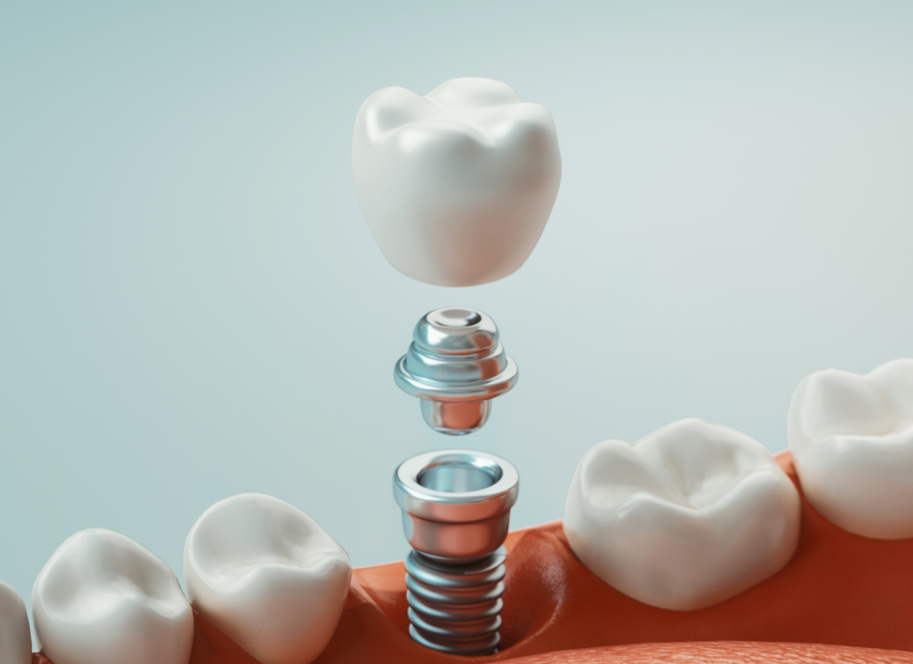
Dental implants are a popular and reliable solution for replacing missing teeth, but not everyone is immediately ready for implant placement. In some cases, a bone graft is necessary before an implant can be placed. While the idea of a bone graft may sound intimidating, it plays an important role in creating a strong and stable foundation for a successful dental implant.
Why Bone Health Matters for Dental Implants
Dental implants rely on the jawbone for support. Once placed, the implant fuses with the surrounding bone through a process called osseointegration. This fusion allows the implant to function like a natural tooth root.
If there is not enough healthy bone present, the implant may not be able to integrate properly. Insufficient bone can increase the risk of implant failure, loosening, or discomfort over time. A bone graft helps rebuild and strengthen the jawbone so it can properly support the implant.
What Causes Bone Loss in the Jaw?
Jawbone loss can occur for several reasons. One of the most common causes is tooth loss itself. When a tooth is missing, the bone that once supported it no longer receives stimulation, which can lead to gradual bone deterioration.
Gum disease is another major contributor. Advanced periodontal disease can damage both the gums and the underlying bone, reducing the amount of bone available for implant placement. Trauma, infections, and long-term use of dentures can also contribute to bone loss in the jaw.
What Is a Bone Graft?
A bone graft is a procedure that adds new bone material to areas of the jaw where bone has been lost. This material acts as a framework that encourages the body to regenerate natural bone over time.
Bone grafts may come from a variety of sources, including the patient’s own body, donated human bone, animal-derived bone, or synthetic materials. The choice depends on the patient’s needs and the extent of bone loss.
How a Bone Graft Prepares You for an Implant
Once placed, the bone graft integrates with the existing bone as the body heals. This process can take several months, but it allows the jawbone to become dense and strong enough to support a dental implant.
Although it adds time to the overall treatment process, a bone graft significantly improves the chances of long-term implant success. Skipping this step when it’s needed can compromise the stability and longevity of the implant.
What to Expect During Recovery
Recovery from a bone graft is typically manageable and may involve mild swelling or discomfort for a few days. Following post-procedure instructions, maintaining good oral hygiene, and attending follow-up appointments are essential for proper healing.
Most patients are surprised by how smoothly the recovery process goes and find that the benefits far outweigh the temporary inconvenience.
A bone graft may be an extra step, but it’s often the key to a strong, long-lasting dental implant.
About the Practice
You can trust the advanced dental team at South Texas Periodontics & Implants specializes in surgical periodontal treatments, including bone grafting and dental implant procedures. We’re serious about preserving and rebuilding oral structures to support long-term dental health and successful implant outcomes. That’s why our implants last and shine for years to come.
Call us at (361) 992-7641 or request an appointment online.