
Bone Grafting Corpus Christi
Rebuilding Bone to Secure Your Future Implant
A beautiful smile isn’t just about white, straight teeth; it also relies on healthy gums and a strong jawbone to keep everything in place. When a tooth is lost due to decay, gum disease, injury, or extraction, the bone around it can start to shrink. Replacing that tooth with a dental implant requires a sturdy foundation, which is why bone grafting can be an important step in protecting your smile. Keep reading to learn what to expect with this service to prepare you for a long-term tooth replacement in Corpus Christi, or give us a call today to schedule a consultation!
Why Choose South Texas Periodontics & Implants for Bone Grafting?
- Modern Dental Technology for Greater Success
- Board-Certified Periodontists with Decades of Combined Experience
- Sedation Dentistry for Optimal Comfort
What is Bone Grafting?
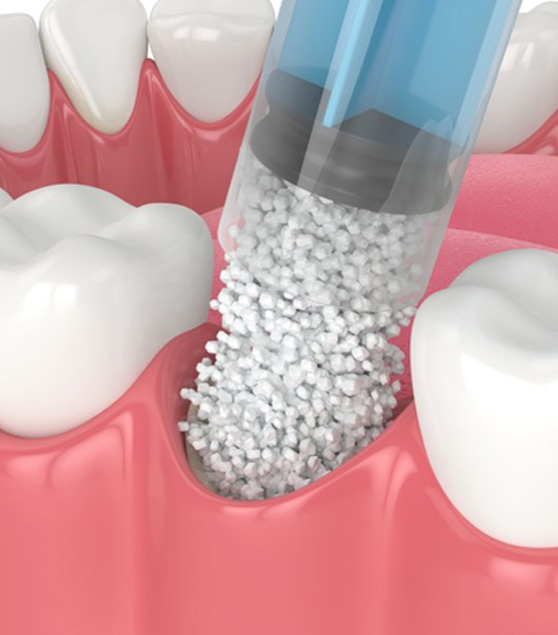
Bone grafting is a treatment used to restore and preserve the jawbone after a tooth is lost or removed. When teeth have been missing for a while, the bone can shrink over time, and grafting helps rebuild it. This extra bone is often necessary if you’re planning to get dental implants to replace missing teeth, giving them a strong and stable foundation.
Bone Grafting After Tooth Loss
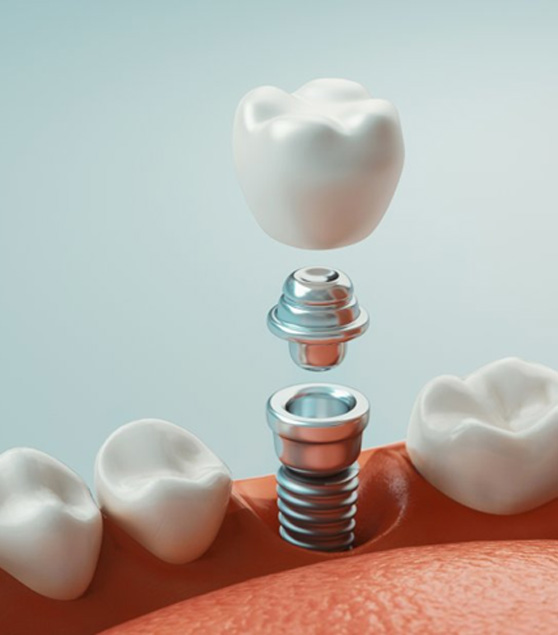
When teeth have been missing for some time, the jawbone can start to shrink because it’s no longer being stimulated by chewing and biting. This process, called bone resorption, gradually weakens the area where teeth used to be. To rebuild the lost bone, a periodontist can take a small piece of bone from elsewhere in the mouth or use donor bone that has been carefully prepared. This helps restore a strong foundation for future dental work.
Bone Grafting After Tooth Extraction

If a tooth is extracted, the empty socket might be filled with freeze-dried bone granules to help preserve the area. A thin membrane is placed over the site and sutured closed. If you’re planning for a full or partial denture, the area usually heals in about four to six weeks. For dental implants or implant-supported dentures, though, it typically takes four to six months for the bone to fully develop and be strong enough to support the implant.
What Are the Benefits of Bone Grafting?

A bone graft helps rebuild and strengthen the jawbone, giving you more options for replacing missing teeth. Even a single missing tooth can impact both your smile and your oral health. Teeth around the gap may shift, altering your bite, and the risk of cavities and gum disease can increase. With a successful bone graft, you’ll have a strong foundation for the replacement option that works best for you, whether that’s an implant, bridge, or denture.
Bone Grafting FAQs
How Long Does a Bone Graft Take to Heal?
It typically takes around three to six months to fully heal from bone grafting in Corpus Christi. That said, the exact timeline can vary from patient to patient. The type of bone graft and the overall complexity of the treatment can have a significant impact on healing time. If you want to make sure that your recovery stays on track, then you should make a point of carefully following any post-op instructions that our team gives you. Remember that you can always reach out to us if you have questions or concerns while your mouth is healing.
Does Bone Grafting Hurt?
You shouldn’t experience discomfort during the actual bone grafting procedure because your mouth will be numbed with a local anesthetic. That said, once the numbness has worn off, there may be some soreness and swelling. You should be able to manage your discomfort by taking an over-the-counter pain reliever or using an ice pack for 20-minute intervals. The soreness should fade away on its own within a week or two.
What Can I Eat After Bone Grafting?
To protect the grafting site and avoid unnecessary irritation, you should plan on only eating soft and liquid foods for a while after your surgery. Some good options include mashed potatoes, scrambled eggs, plain yogurt, applesauce, well-cooked fish, avocados, and smooth soups that aren’t too hot.
Make sure that your diet includes plenty of protein, calcium, and vitamins A, C, and D. These nutrients play an important role in helping the mouth heal properly after bone grafting.
Are There Any Risks Associated with Bone Grafting?
It’s important to emphasize that bone grafting is considered to be very safe in general. Nevertheless, there is a certain inherent level of risk when it comes to any sort of surgical procedure. In particular, there is a chance that an infection could occur while your mouth is healing; fortunately, there are plenty of steps you can take to keep the chances of this happening to a minimum, such as taking prescribed antibiotics and rinsing with warm salt water.
Before we move forward with the bone grafting process, we’ll make sure that you’re aware of the risks involved. Rest assured that our team will take whatever steps we can to ensure that you stay safe and comfortable during your procedure.
How Much Does Bone Grafting Cost?
The cost of a dental bone graft depends on several factors, including:
- How extensive the graft is.
- The kind of grafting material used.
- The location of the practice where the procedure is performed.
Our team will consider your situation carefully before providing you with a reliable estimate of what the cost of the procedure will look like.