
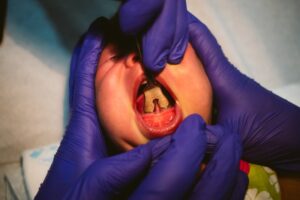
A frenectomy is a simple dental procedure that removes or modifies a frenum, a small band of tissue that connects parts of the mouth. Frenectomies are commonly performed to address tongue-tie (ankyloglossia) or lip-tie, conditions that can affect feeding, speech development, oral hygiene, and even orthodontic treatment outcomes. If you or your child has been recommended for a frenectomy, understanding what happens before, during, and after the procedure can help you feel more comfortable and prepared.
Before Frenectomy Treatment
The process begins with a thorough evaluation by your dentist or specialist. During this appointment, the provider will examine the frenum, discuss any symptoms or functional concerns, and determine whether a frenectomy is the appropriate treatment.
Common reasons for a frenectomy include:
- Difficulty breastfeeding in infants.
- Speech challenges.
- Restricted tongue movement.
- Gaps between teeth.
- Orthodontic concerns.
- Difficulty maintaining oral hygiene.
Your provider will explain the procedure, answer questions, and provide instructions to help you prepare for the appointment.
During the Procedure
A frenectomy is typically a quick procedure that can often be completed in just a few minutes.
Depending on the patient’s age and needs, a local anesthetic may be used to ensure comfort. Many modern frenectomies are performed using a soft tissue laser, which offers several advantages over traditional surgical methods.
Laser frenectomies often provide:
- Increased precision.
- Minimal bleeding.
- Reduced discomfort.
- Faster healing.
- Little or no need for sutures.
During the procedure, the dentist carefully releases or removes the restrictive tissue, allowing for improved movement of the tongue or lip.
Most patients tolerate the treatment very well.
After Frenectomy Treatment
Recovery is generally straightforward. Mild soreness, tenderness, or swelling may occur for a few days following the procedure, but these symptoms are usually manageable and temporary.
Your dentist may recommend:
- Soft foods for a short period.
- Gentle oral hygiene practices.
- Cold foods or drinks to reduce discomfort.
- Specific stretching exercises.
Stretching exercises are often an important part of recovery because they help prevent the tissue from reattaching as it heals.
For infants, parents may notice improvements in feeding shortly after treatment. Older children and adults may experience gradual improvements in speech, oral function, and comfort over time.
The Importance of Follow-Up Care
Follow-up appointments allow your dentist to monitor healing and ensure the treatment site is recovering properly. In some cases, speech therapy, lactation support, or myofunctional therapy may be recommended to maximize the benefits of treatment.
Frenectomy treatment is a safe and effective way to address tongue-tie and lip-tie concerns. By understanding what to expect before, during, and after the procedure, patients and parents can feel more confident throughout the process. With proper care and follow-up, a frenectomy can lead to significant improvements in oral function, comfort, and overall quality of life.
About the Practice
Are you or your child affected by lip or tongue tie? Our periodontal team at South Texas Periodontics & Implants can provide the most effective treatment possible with a simple frenectomy. Our experienced and friendly dentists use advanced soft tissue laser technology for an easy fix to this issue. We want to help your family, so why not let us? Book online or call our Corpus Christi office at (361) 992-7641.