
Gingivectomy Corpus Christi
Reshaping the Gums to Treat Periodontal Disease
In advanced cases of gum disease (a.k.a. “periodontal disease”), harmful bacteria “eat away” at the gums, causing them to pull back from the dental roots. This causes pockets of empty space to form known as “periodontal pockets.” These not only make it easier for bacteria to hide and spread the disease, but also destabilize nearby teeth and put them at risk of coming loose or falling out. To address this, we can perform a gingivectomy – otherwise known as gum recontouring. Request an appointment with our local specialists or keep reading to learn more.
Why Choose South Texas Periodontics & Implants for Your Gingivectomy?
- Board-Certified Gum Health Specialists
- Laser Periodontal Surgery Promotes Comfort
- CareCredit Financing & Dental Insurance Accepted
What’s a Gingivectomy?
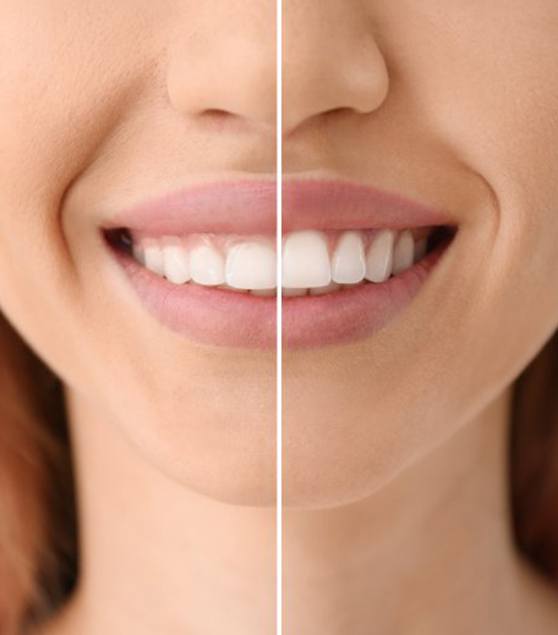
A gingivectomy removes the loose and infected gum tissue created by periodontal pockets (though it can also be used cosmetically to reduce “gummy smiles"). Since we use a soft tissue laser for gum surgeries, our team will be able to precisely target unhealthy gum tissue while leaving perfectly healthy tissue untouched. By the end of your treatment, you’ll have a proportional, bacteria-free gumline that’s firmly attached to your dental roots.
How Does a Gingivectomy Work?
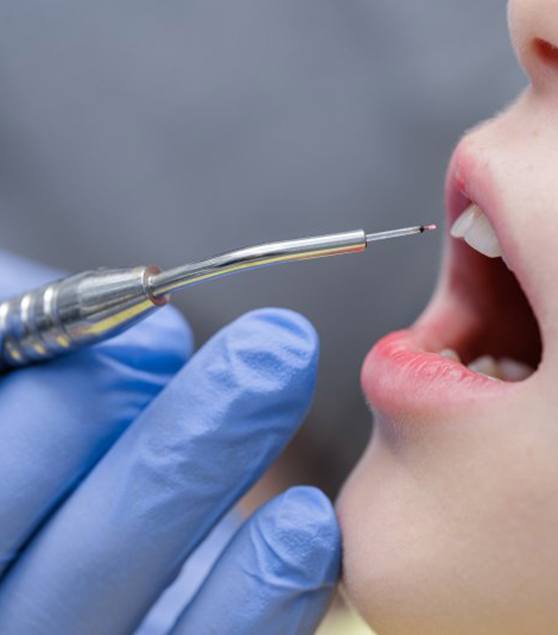
Dental lasers are very comfortable for patients, but rest assured, our team will begin your gingivectomy by administering a local anesthetic. Once your mouth is numb, we’ll meticulously remove loose, infected gum tissue from your smile. We’ll also take care to reshape the remaining healthy tissue so that your gumline will be proportionate to your teeth.
The laser will instantly cauterize your gum tissue, meaning there’s no need for stitches. That said, we’ll likely place a soft putty over the treatment area to help keep it protected. If the material doesn’t fall out on its own, we can remove it during your next appointment.
Aftercare for a Gingivectomy

Maintaining a daily oral hygiene routine will be crucial for your gingivectomy aftercare. Without taking steps to keep your mouth clean, plaque could build up along your gumline again and lead to reinfection. Gently brush your teeth twice per day, and floss once per day. We may also recommend or prescribe an anti-bacterial mouthwash.
Please take any and all medication as directed. If we prescribe antibiotics, continue to take the full dose. In order for them to work properly, you must use the entire package!
Finally, stick to a soft food diet while you recover. Your gums may be sore after your gingivectomy, and it’s important not to disturb them while they’re still healing. Good foods to eat during this time are scrambled eggs, pudding, well-blended smoothies, and other similar non-crunchy, easy-to-chew options.
Gingivectomy FAQs
Will my gums look different after a gingivectomy?
Yes, but usually in a good way. Right after a gingivectomy, it’s normal for your gums to look a little red or swollen as they heal. Once the healing process is complete, your gums should look healthier, cleaner, and more even around your teeth. If you had the procedure to improve the appearance of your smile, you may also notice that your teeth look longer and your smile looks more balanced. Your gums will continue to change as they heal, so you’ll need to give them some time before seeing the final results.
What can I eat the first week after a gingivectomy?
For the first few days after a gingivectomy, it’s best to stick with soft, cool foods that are easy on your gums. Yogurt, smoothies, scrambled eggs, and soups that have cooled down are all good options. Try to avoid spicy, acidic, crunchy, or sticky foods, since they can irritate your gums while they’re healing. As your gums start to feel more comfortable, you can slowly add other foods back into your diet. Most importantly, listen to your body and choose foods that feel comfortable while your gums recover.
Do Gums Grow Back After a Gingivectomy?
The gum tissue that’s removed during a gingivectomy won’t grow back, which means the results are generally long-lasting. Your gums may look swollen or irritated during the first week or two, but this should improve as they heal. You can help support the healing process by:
- Following your periodontist’s instructions for brushing and oral hygiene
- Taking any medications as directed
- Avoiding touching the treated area
- Choosing soft foods like eggs, mashed potatoes, and yogurt
- Avoiding spicy, crunchy, sticky, or salty foods
- Staying away from very hot, very cold, or acidic foods and drinks
- Refraining from alcohol and tobacco use
Is a Gingivectomy Painful?
If you’re undergoing a gingivectomy with our Corpus Christi team, your gums will normally be numbed with a local anesthetic before the procedure, so you shouldn’t feel pain during your treatment. Depending on your needs and comfort level, sedation can also be offered. Afterward, it’s normal for your gums to feel sore or tender for a few days as they heal. Your periodontist will give you instructions for managing any discomfort at home. Over-the-counter pain medication is often enough, but let us know if any pain is severe, lasts longer than expected, or concerns you so that we can help.